
7 First-Time Buyer Mistakes to Avoid in Lincoln Park
7 First-Time Buyer Mistakes to Avoid in Lincoln Park
Buying a first home in Lincoln Park can feel exciting, fast-moving, and a little overwhelming all at once. Between classic brick buildings, modern condos, tree-lined residential blocks, and easy access to the lakefront and city amenities, this part of Chicago gives buyers a lot to sort through. That variety is part of the appeal, but it also means a rushed decision can become an expensive one. A little preparation goes a long way when the goal is to buy with confidence instead of reacting to every new listing.

Mistake number one is shopping before understanding the full budget. Many first-time buyers focus on the list price and monthly mortgage estimate, then get surprised by property taxes, homeowners association dues, insurance, utility costs, and ongoing maintenance. In a neighborhood with a mix of condos, townhomes, and single-family properties, those numbers can vary widely from one address to the next. A unit with a lower sticker price may carry higher monthly assessments, while a home with more space may require more upkeep than expected.
The second mistake is skipping full mortgage preparation. Getting pre-approved early helps buyers understand their real price range and shows sellers that financing is already in motion. In a competitive Chicago market, that can matter just as much as the offer amount. Buyers who wait too long to review credit, debt ratios, closing costs, and cash reserves often lose time when a strong property hits the market. Knowing the numbers upfront creates room to act quickly without making decisions in a panic.
Third, some buyers pay too much attention to finishes and not enough to layout and building fundamentals. Fresh paint, stylish lighting, and updated countertops can be appealing, but they should not distract from the things that are harder to change. Room dimensions, natural light, storage, noise transfer, building condition, reserve levels, and any upcoming association projects all deserve close review. In a neighborhood where vintage charm and newer construction often exist side by side, buyers benefit from comparing what is cosmetic and what is structural.
Look Beyond the Listing Photos
Listing photos are designed to create interest, not answer every practical question. One of the most common mistakes first-time buyers make is assuming the photos tell the whole story. During showings, it helps to pay attention to hallway condition, stair access, window placement, closet size, laundry setup, parking arrangements, and general building upkeep. Those daily-living details often shape long-term satisfaction more than the initial visual impression.
It is also smart to study the immediate surroundings in person. Lincoln Park offers access to green space, public transportation, dining, cultural destinations, and neighborhood services, but convenience can look different from block to block. Walking the area at different times of day can reveal traffic flow, street activity, parking patterns, and how easily a buyer can reach train stations, bus routes, grocery options, and the lakefront path. That kind of firsthand observation turns a hopeful guess into a practical decision.
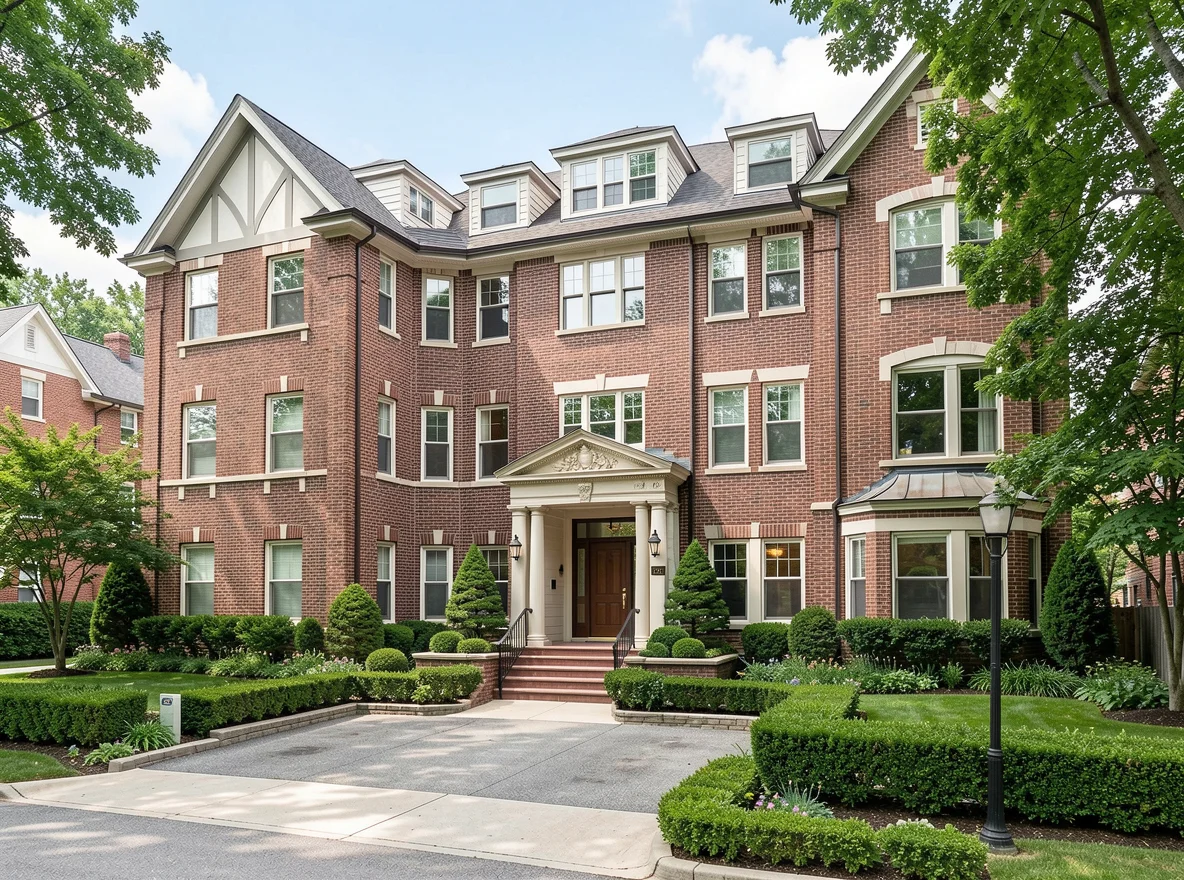
Mistake number four is underestimating the importance of inspections and document review. Even when a home appears move-in ready, inspections can uncover issues involving windows, roofing, plumbing, electrical systems, moisture, or aging mechanicals. For condo purchases, buyers should also read association documents carefully. Budgets, bylaws, meeting notes, and reserve information can offer insight into how the building is run and whether large expenses may be coming. This step may feel tedious, but it can prevent expensive surprises after closing.
The fifth mistake is stretching too far emotionally. It is easy to fall in love with a specific unit and start justifying every extra dollar. But buying at the absolute top of a comfortable range can leave little room for repairs, furnishing, rate changes, or unexpected costs. A home should support financial stability, not strain it. Strong planning means thinking beyond the accepted offer and looking at the first year of ownership as a whole.
Sixth, many buyers do not think enough about resale value at the time they purchase. No one can predict the market perfectly, but broad appeal still matters. Functional floor plans, good natural light, practical storage, solid building management, and a location with convenient access to amenities tend to remain important over time. Buyers are not just purchasing for today; they are also buying an asset that may one day be sold into a different market cycle.
Use Local Knowledge Without Rushing the Process
The final mistake is trying to do everything alone or moving too quickly because the market feels competitive. First-time buyers benefit from working with professionals who understand pricing trends, contract timelines, inspection strategy, and neighborhood-level differences within Chicago. That guidance can help buyers compare options clearly instead of reacting emotionally to every listing alert. A thoughtful process is especially important in an area like Lincoln Park, where housing styles, monthly costs, and building structures can change dramatically within a few blocks.
There is plenty to enjoy here once the purchase is complete: access to the park itself, the lakefront, established residential streets, local gathering spots, and a housing stock that ranges from vintage character to contemporary convenience. But the best first purchase is not simply the most attractive one online. It is the property that fits the buyer's budget, goals, timeline, and comfort with ongoing ownership costs. When those pieces line up, the experience becomes much more rewarding.
For anyone preparing to enter the market, the big takeaway is simple: slow down enough to ask better questions. Review the numbers carefully, compare buildings and blocks thoughtfully, inspect thoroughly, and keep your long-term priorities in view. Lincoln Park offers plenty of opportunity for first-time buyers, and avoiding these seven mistakes can help turn that opportunity into a smart, well-supported decision.