What Front Porches Reveal About Home Value in Lakeview
What a Front Porch Can Tell You at First Glance
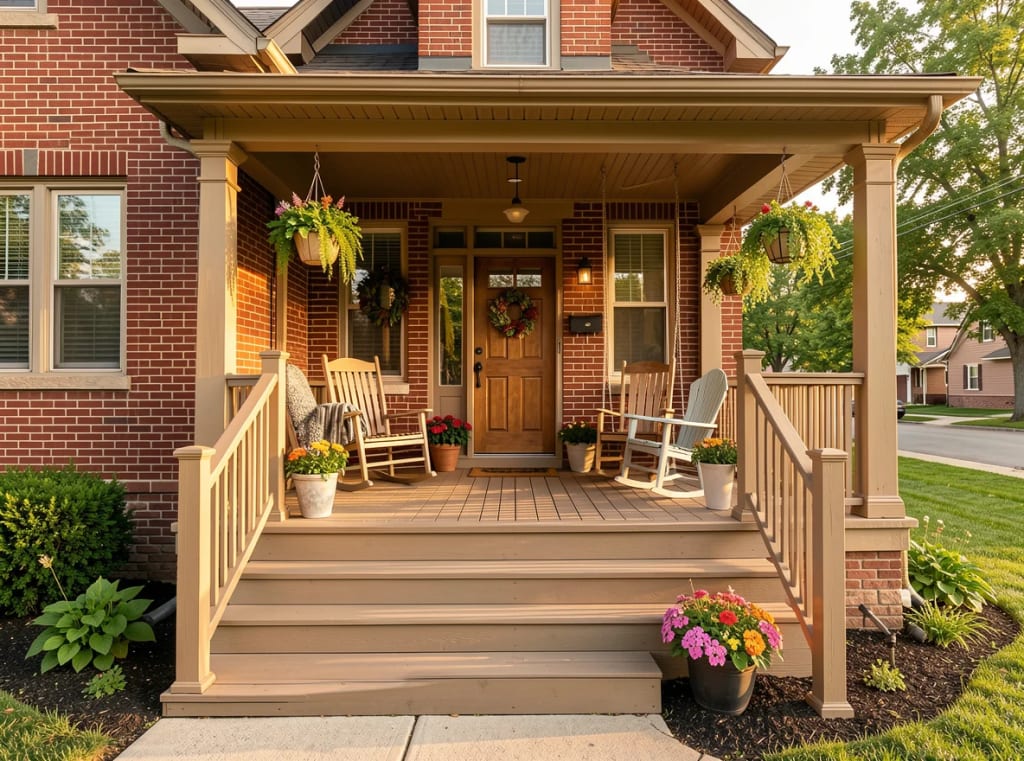
A front porch does more than greet visitors. In a place like Lakeview, it often offers early clues about upkeep, architectural style, and how a home connects to the street. Before anyone steps inside, buyers are already reading details such as railing condition, paint quality, lighting, steps, trim, and how the entrance feels in relation to the lot. Those small observations can shape expectations about value long before a showing reaches the kitchen or primary suite.
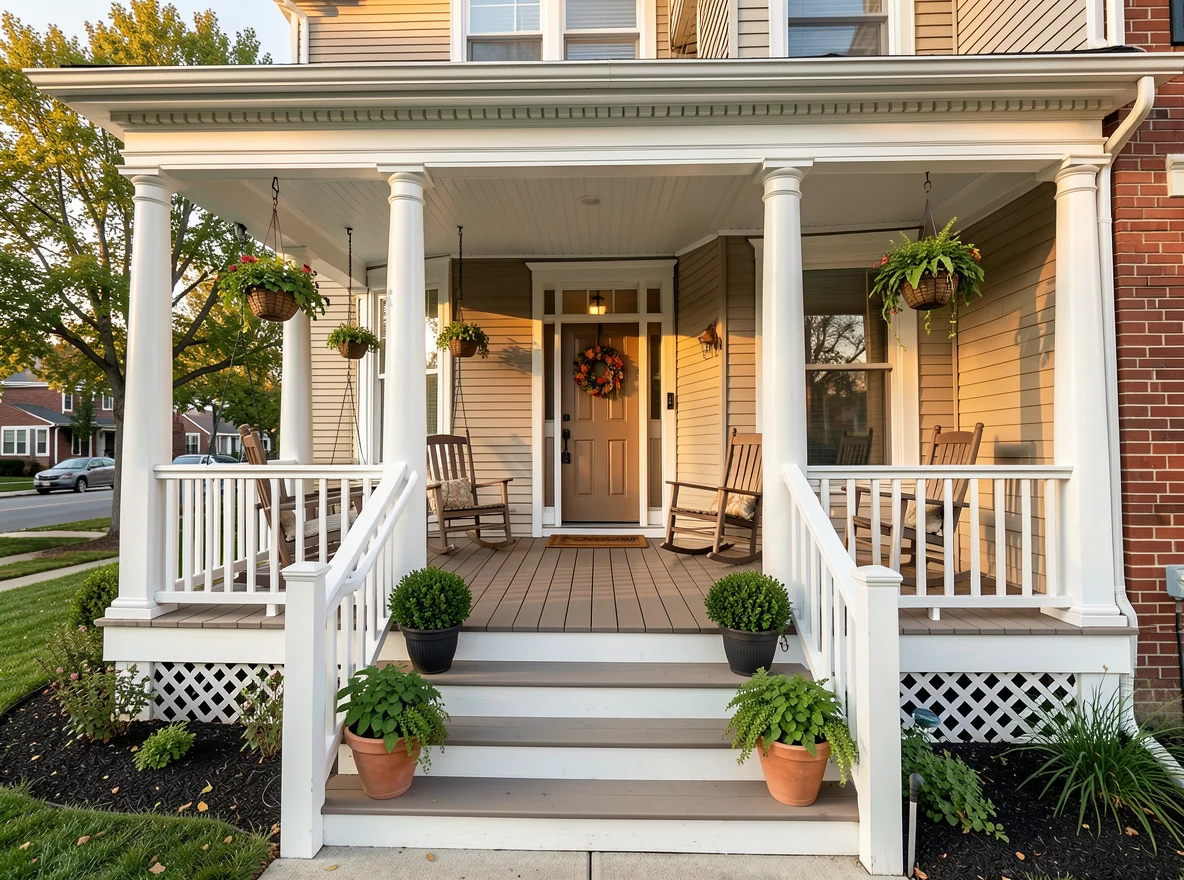
In Chicago neighborhoods with a mix of vintage homes, brick two-flats, renovated single-family residences, and newer construction, porch design can say a lot about both era and investment. A broad covered entry may suggest a home where exterior improvements have been prioritized. Original millwork, restored columns, and durable flooring can signal thoughtful stewardship. On the other hand, deferred maintenance on visible exterior elements may raise questions for buyers about whether less visible systems have received the same attention.
That does not mean every valuable home needs a grand wraparound porch. In many cases, value comes from proportion, condition, and consistency with the structure itself. A modest stoop with quality materials, attractive lighting, and a freshly painted door can create just as strong an impression as a larger porch. Buyers and sellers alike benefit from remembering that curb appeal is rarely about size alone; it is usually about cohesion, care, and how well the exterior supports the home’s overall presentation.
Porches also influence the emotional rhythm of a showing. A comfortable, well-composed entry slows the approach and makes the home feel intentional. It gives the facade a focal point and softens the transition from sidewalk to interior. In denser city settings, that threshold matters. It can make a residence feel more private, more polished, and more memorable in a competitive market where buyers may tour several properties in a single afternoon.
Why Buyers Notice Porch Details So Quickly
People often process exterior features in seconds, and front porches concentrate many of the signals that shape first impressions. Are the railings secure? Does the ceiling show water staining? Are the boards level? Is the lighting updated and functional? These practical details are subtle, but together they help establish whether a property feels move-in ready, recently improved, or in need of attention.
In Lakeview, where walkability, transit access, dining, parks, and neighborhood amenities all contribute to demand, exterior presentation can have an outsized role because homes are often seen up close from the street. Attractive entry spaces stand out. They photograph well, strengthen online listing appeal, and can increase the sense that a home has character before buyers compare square footage or finish selections. This is especially true for homes where original architectural details are part of the appeal.
There is also a practical valuation angle. Exterior improvements are visible evidence of spending, and visible evidence often reassures buyers. While appraisers rely on broader comparable-sales data, condition still matters. When a porch looks well maintained, it can support the perception that the home has been cared for systematically. That perception may not independently set price, but it can support stronger buyer confidence and smoother negotiations.
Porch Design, Maintenance, and Market Perception
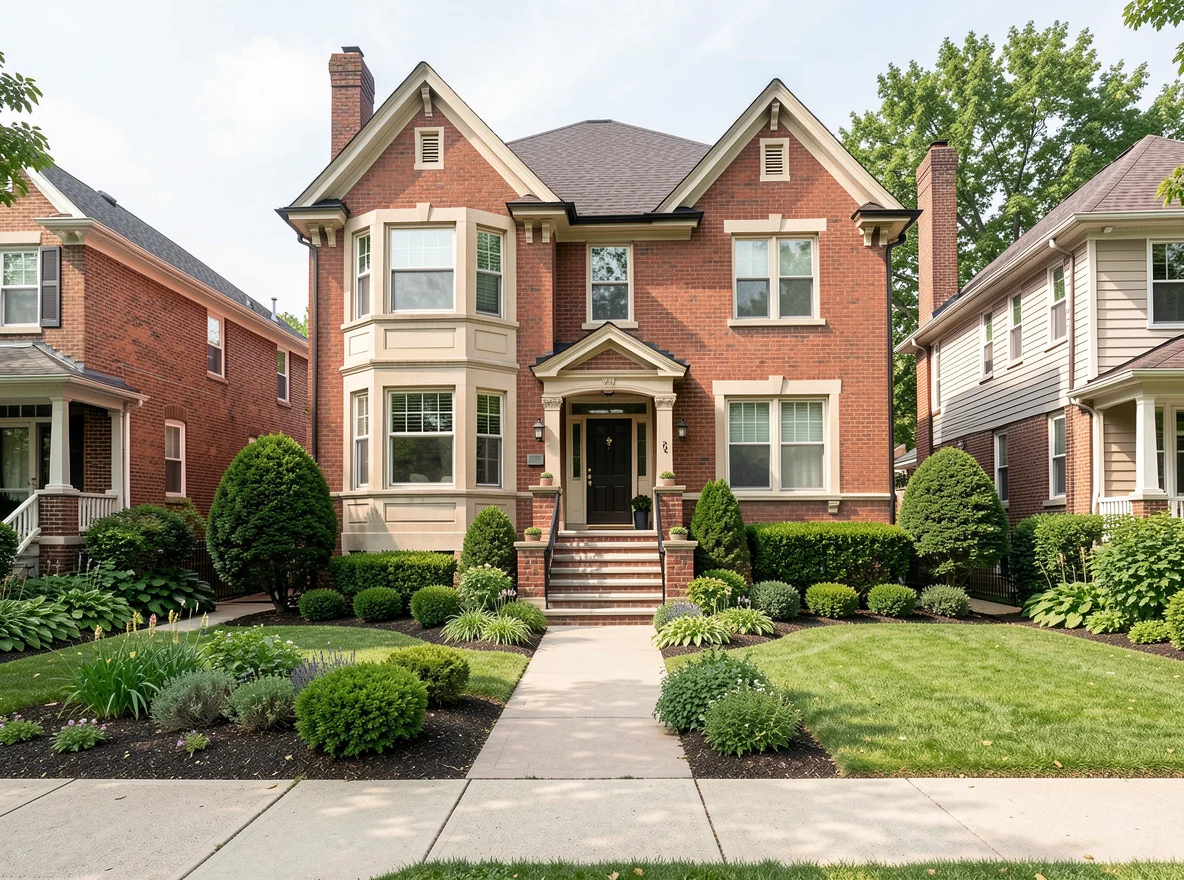
Well-executed porch spaces tend to reinforce three qualities that matter in real estate: condition, character, and usability. Condition is the most obvious. Fresh paint, repaired masonry, stable stairs, updated house numbers, and clean lines all suggest readiness. Character comes from architecture that feels true to the home, whether that means vintage detailing on a classic Chicago facade or simple contemporary materials on a newer build. Usability appears in features like overhead cover, seating space, lighting, and weather-resistant surfaces.
These factors can influence how quickly a listing gains traction. Buyers often respond positively when the exterior feels complete rather than unfinished. A porch with balanced planters, a refinished floor, and coordinated hardware may help the property stand apart in photography and in person. Even when buyers know they are paying primarily for location, layout, and interior updates, they still react strongly to the street-facing experience.
Sellers do not always need a major renovation to improve this part of the home. Sometimes value is revealed through maintenance rather than transformation. Repainting trim, replacing worn light fixtures, repairing loose railings, cleaning brick or concrete, and staging with simple outdoor furnishings can sharpen the entire impression. Those upgrades can be especially effective because they are among the first things a buyer sees and among the easiest to appreciate without explanation.
At the same time, buyers should avoid overreading one exterior feature in isolation. A porch can hint at care, but it is not a substitute for reviewing disclosures, inspection findings, roof age, window quality, drainage, and mechanical systems. The smartest approach is to treat the porch as part of a larger pattern. If the entry is polished and the rest of the home reflects the same consistency, that usually strengthens confidence. If the porch looks impressive but other areas lag, the contrast is worth exploring further.
How Front Porches Fit Into the Lakeview Lifestyle
One reason porches carry meaning in Lakeview is that they participate in the texture of the neighborhood itself. Tree-lined residential blocks, a mix of classic and updated housing stock, and an active streetscape make the front of the home particularly visible. Entry spaces are not hidden; they contribute to the way a property meets the block. That visual relationship can elevate appeal, especially in areas where architecture and street presence are part of the draw.
For many homes, the porch also expands day-to-day function. It can serve as a sheltered landing spot for deliveries, a place to enjoy fresh air, or simply a more graceful transition between indoors and outdoors. In an urban setting, even a compact porch can make the home feel more layered and more livable. Buyers frequently respond to these spaces because they add utility without requiring additional interior square footage.

That broader lifestyle context matters when evaluating real estate. Nearby access to transit, recreation, dining corridors, and neighborhood services may drive demand, but a home’s street-level presentation helps translate location into everyday experience. A strong porch does exactly that. It makes the home feel grounded in its surroundings, giving buyers something tangible to connect with before they assess room dimensions and finishes.
In practical terms, this means porches are often most valuable when they feel authentic to both house and neighborhood. Oversized additions that clash with the architecture may not deliver the same benefit as a simpler, well-integrated update. Buyers tend to appreciate exteriors that look settled and intentional, not forced. In established Chicago neighborhoods, authenticity often carries real weight.
The Bottom Line for Buyers and Sellers
Front porches reveal value less by themselves than by what they imply. They can hint at maintenance habits, amplify architectural appeal, improve curb presence, and create a stronger first impression in listing photos and in person. In Lakeview, where details matter and competition can be strong, that first impression can influence how a property is remembered and how seriously buyers engage with the rest of the home.
For sellers, the takeaway is simple: invest attention where buyers naturally look first. For buyers, the lesson is equally useful: notice the porch, appreciate what it adds, and then use it as one clue within a larger evaluation of condition, location, and market value. When those pieces align, a well-kept front porch is not just attractive—it becomes part of the story a home tells about itself.