Clark County Buyer Guide: How to Navigate Financing, Inspections, and Closing
A Practical Clark County Buyer Guide from Offer to Keys
Buying a home can feel like a series of big moments packed into a tight timeline: pre-approval, showings, inspections, negotiations, signatures, and finally closing day. In Clark County, the process moves across a mix of neighborhoods, property types, and price points, so a clear plan matters. When buyers understand financing options, inspection strategy, and closing steps before they start touring homes, it becomes much easier to make confident decisions and keep a transaction on track.
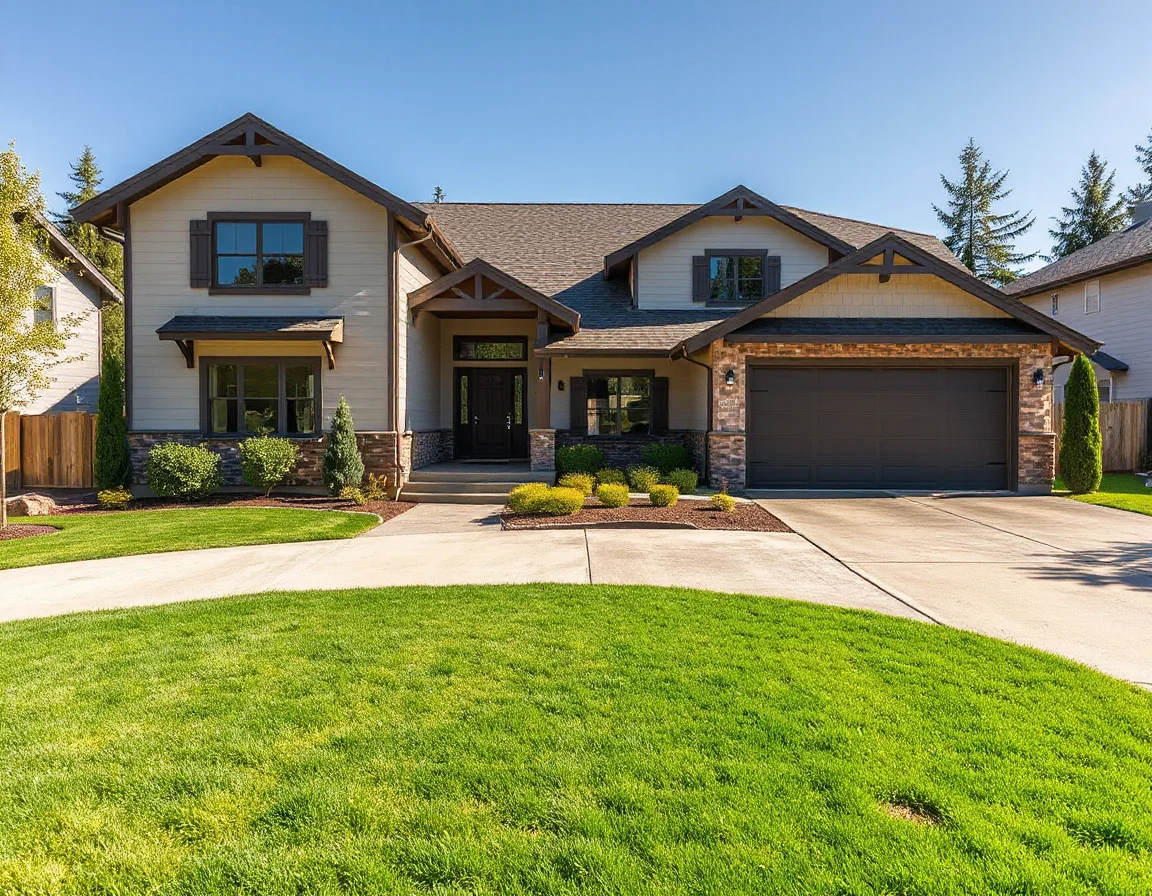
The first step is usually financing, and it is more than just getting a number from a lender. A solid pre-approval helps define a realistic budget, but it also gives buyers a framework for comparing monthly costs across different homes. Principal and interest are only part of the picture. Property taxes, homeowners insurance, possible HOA dues, utility expectations, and maintenance reserves all shape affordability. In a market where well-priced homes can attract strong attention, a fully reviewed pre-approval letter can also strengthen an offer by showing that the buyer is prepared.
Loan choice matters too. Conventional, FHA, VA, and USDA financing can each serve different situations, and every option has its own rules around down payment, mortgage insurance, appraisal standards, and reserve requirements. Buyers should ask lenders to show side-by-side payment scenarios rather than focusing only on the maximum approval amount. It can also help to discuss interest-rate lock timing, seller credit possibilities, and how closing costs may affect total cash needed. A little clarity early on can prevent unpleasant surprises once a contract is signed.
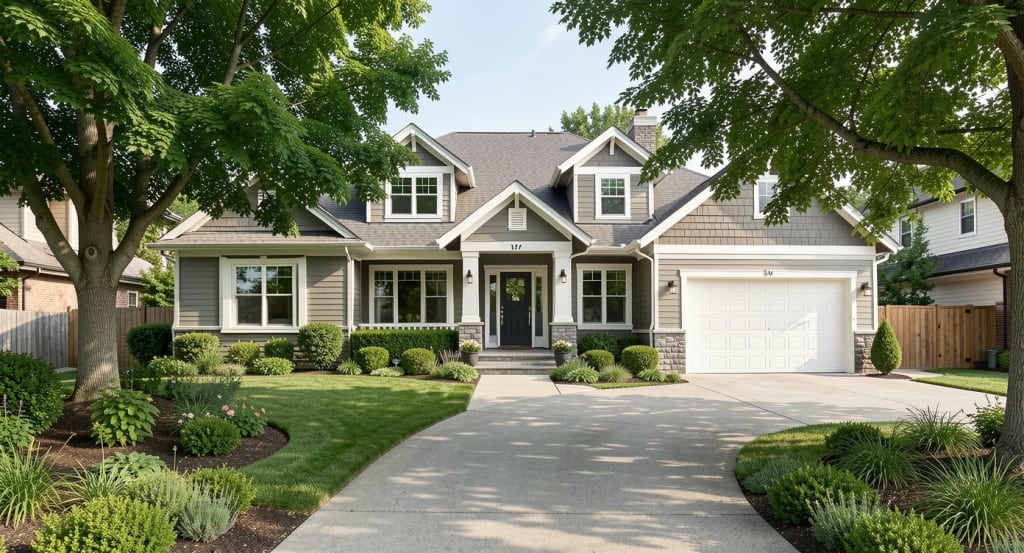
After financing is in place, the home search becomes more focused. Clark County offers a range of settings, from established residential streets and newer planned developments to properties with larger lots on the edges of town. Buyers often weigh commute patterns, access to parks and trails, nearby retail and dining areas, school boundaries, and the kind of upkeep they want to take on. Condos and townhomes may offer lower exterior maintenance, while detached homes may provide more yard space, storage, or flexibility for future updates. The right fit often comes from balancing daily routines with long-term goals rather than chasing every new listing that appears.
What to Know Before You Write an Offer
When the right property appears, speed matters, but preparation matters more. A strong offer is not always the highest one. Terms such as the earnest money amount, inspection timeline, financing contingency, appraisal language, and preferred closing date can all affect how an offer is received. Buyers should review comparable sales, current inventory, and days on market to understand whether conditions favor more negotiating room or faster, cleaner terms. The goal is to stay competitive without removing protections that are important to the transaction.
Inspection planning deserves special attention. A general home inspection gives buyers a professional overview of the property’s visible systems and components, including roofing, electrical, plumbing, HVAC, windows, insulation, and structural observations. Depending on the property, additional evaluations may be wise for sewer lines, radon, pests, mold, wells, septic systems, or specialty features like pools and detached outbuildings. Inspections are not designed to create perfection; they are there to reveal condition, deferred maintenance, and potential repair costs so buyers can make informed decisions.
Once inspection reports arrive, buyers typically have several options: proceed as-is, ask for repairs, request a credit, renegotiate price, or terminate according to contract terms. The smartest approach is usually to focus on material concerns rather than cosmetic preferences. Safety issues, active leaks, major system failures, and costly near-term items often deserve a closer look. Small maintenance items are common in resale homes and may not justify a lengthy negotiation. Keeping requests reasonable can preserve momentum and help both sides move toward closing.
Appraisal is another checkpoint that can affect financing and negotiations. The appraiser’s job is to evaluate market value based on the home’s condition, features, and comparable sales. If the value comes in at or above contract price, the loan can typically move forward without issue. If it comes in low, buyers and sellers may need to renegotiate, challenge the appraisal with better comparables, or adjust cash contributions. Understanding this possibility before making an offer helps buyers stay calm if the appraisal introduces a new conversation.
During this same period, buyers should avoid major financial changes. Opening new credit lines, financing a vehicle, changing jobs, missing payments, or making unexplained large deposits can disrupt underwriting. Lenders often re-check credit, employment, and account documentation before final approval. The most effective strategy is simple: keep finances steady, respond quickly to document requests, and ask questions immediately if anything changes.
Closing Day Is a Process, Not Just a Date
As the transaction approaches the finish line, details become even more important. Title and escrow teams work behind the scenes to confirm ownership history, identify liens or encumbrances, prepare settlement figures, and coordinate signatures. Buyers will receive disclosures outlining loan terms, projected cash to close, and closing costs. Reviewing these promptly is essential. Even small errors in names, credits, or prorations should be corrected before signing day so the final paperwork reflects the deal accurately.
A final walk-through usually takes place shortly before closing. This is not another inspection, but it is the buyer’s opportunity to confirm the property is in substantially the same condition as agreed, that negotiated repairs have been completed if applicable, and that included items remain at the home. It is also a good time to test basic systems, check for unexpected damage, and make sure move-out has occurred according to the contract. A careful walk-through can prevent last-minute confusion.

Clark County buyers also benefit from thinking beyond the transaction itself. Daily life after closing may include easy access to regional parks, trail systems, riverfront recreation, neighborhood services, local coffee spots, and a variety of dining options across the area. Some buyers prioritize proximity to major commuting routes, while others focus on lot size, newer construction, or established streets with mature landscaping. There is no one-size-fits-all answer, which is why a good buying plan starts with personal priorities and ends with a property that supports how the buyer wants to live and use the space.
The most successful purchases usually come from preparation, not guesswork. A strong lender conversation, a thoughtful inspection strategy, and careful attention to closing details can turn a complicated process into a manageable one. With the right guidance and a realistic view of the market, buyers in Clark County can move from search to settlement with fewer surprises and a lot more confidence.